Furniture for Your Lifestyle: Design and Function

How to Choose Furniture According to Your Lifestyle
Choosing furniture for your home should not be based solely on what looks beautiful in a social media photo or in a seasonal design magazine. The key to a balanced, high-end home lies in something much deeper: your real lifestyle.
A piece of furniture may look visually spectacular, but if it does not fit your daily routine, it will eventually become uncomfortable, impractical, or an expensive purchasing mistake. How can you choose furniture that combines design, functionality, and structural durability? At Bogal, we explore how contemporary furniture should work in favor of your everyday life.
Why You Shouldn't Choose Furniture Based Solely on Aesthetics
The most common mistake in interior design is prioritizing immediate appearance over usability. This often leads to inefficiencies in living spaces:
● Overcrowded rooms that are impractical for everyday movement.
● Uncomfortable furniture or pieces made from low-durability materials.
● A sense of clutter caused by the lack of integrated storage solutions.
● Impulsive purchases of pieces that cannot withstand daily wear and tear.
A successful interior design project is not only about making a space look good; it is about making it pleasant to live in.
Interior Design Begins with Your Daily Routine
Before purchasing any piece for your home, it is essential to conduct an honest assessment: how do you actually live in your house? Your routine determines the type of furniture your home truly needs.
1. Multifunctional Spaces and Remote Work
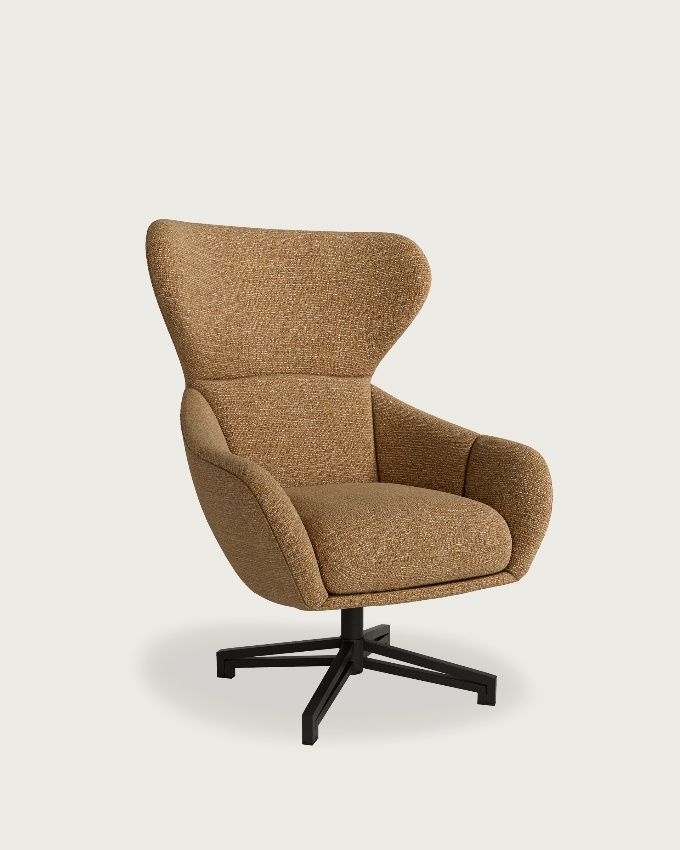
If your home also serves as your workplace, you need an environment that promotes concentration and reduces physical fatigue. Design should prioritize ergonomics through dining chairs with proper lumbar support or a modern swivel armchair, complemented by smart storage solutions that eliminate visual clutter and separate work life from family life.

2. Compact Space Planning
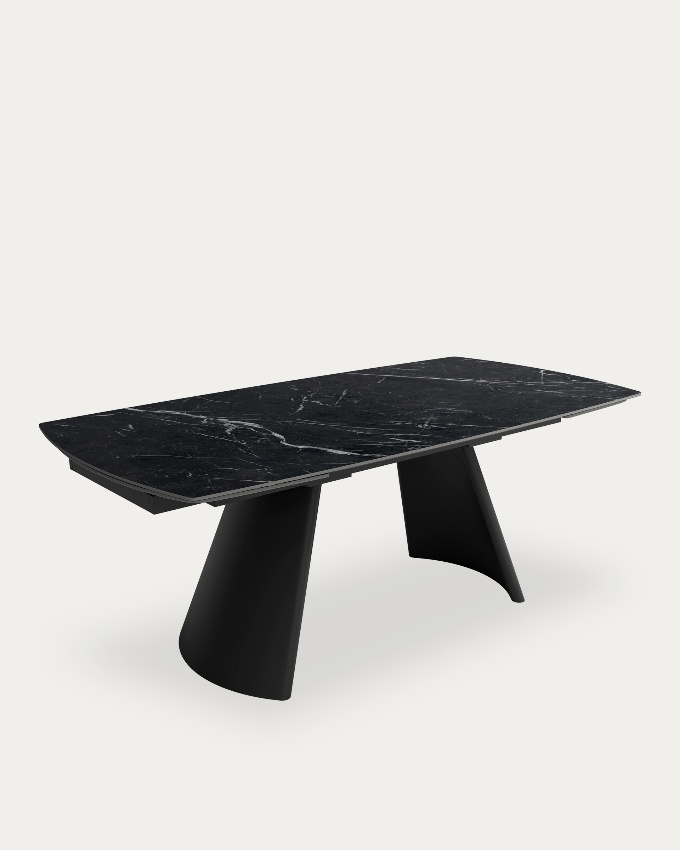
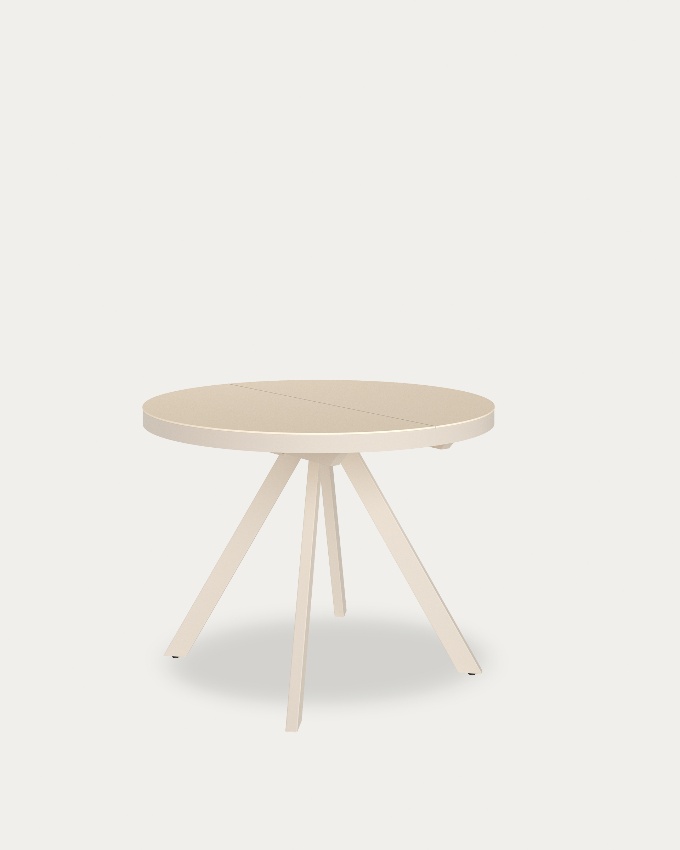
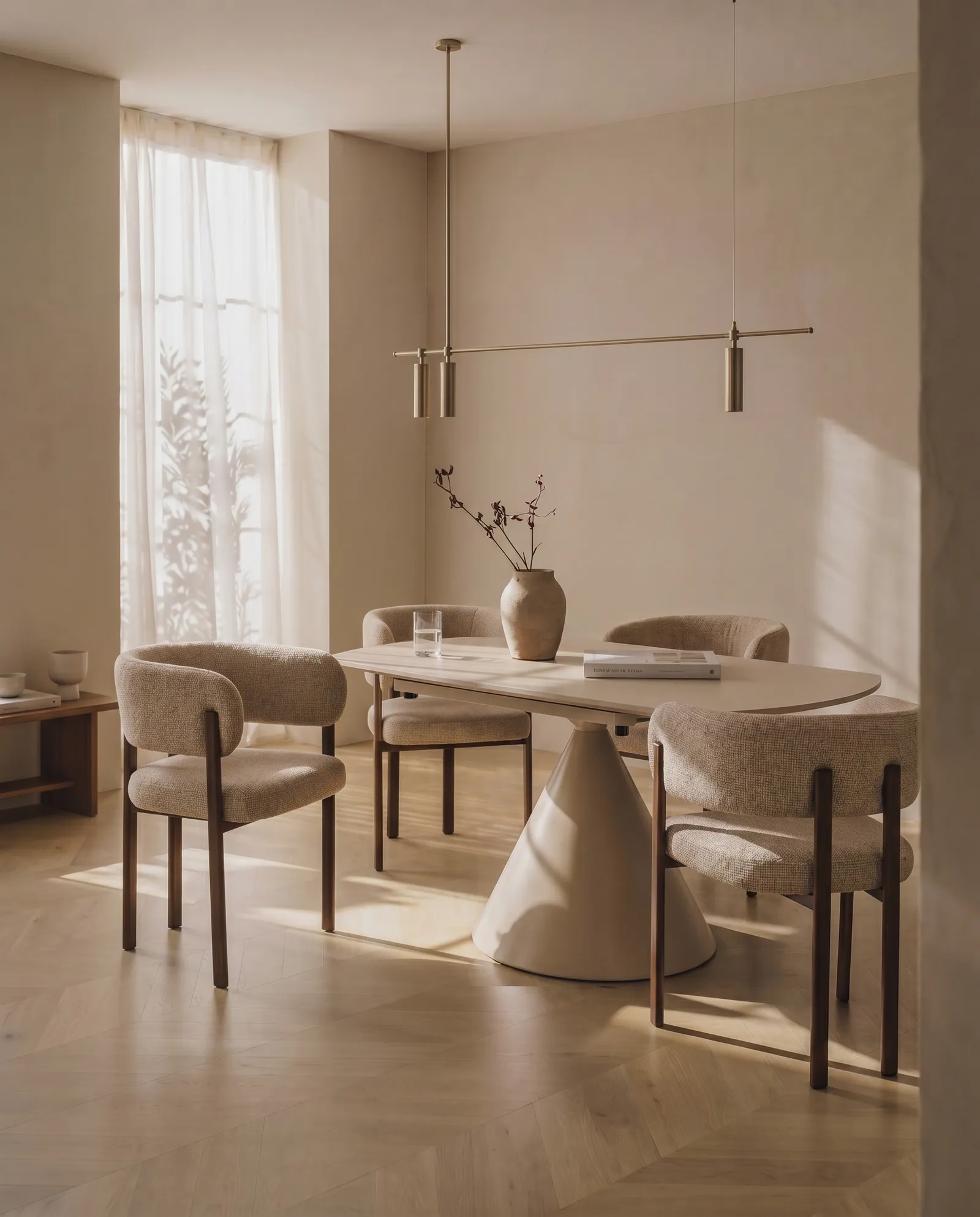
In smaller rooms, the goal is to maximize every square meter without sacrificing visual lightness. Versatility is essential: extendable dining tables or a round dining table allow you to adapt the space when hosting guests while maintaining ease of movement during the rest of the week.

3. Family Living and Daily Use
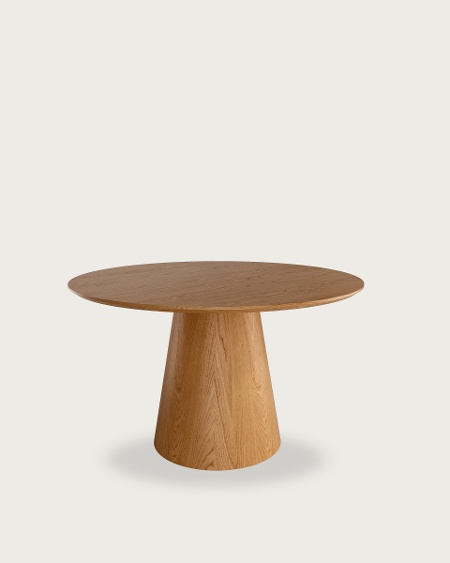
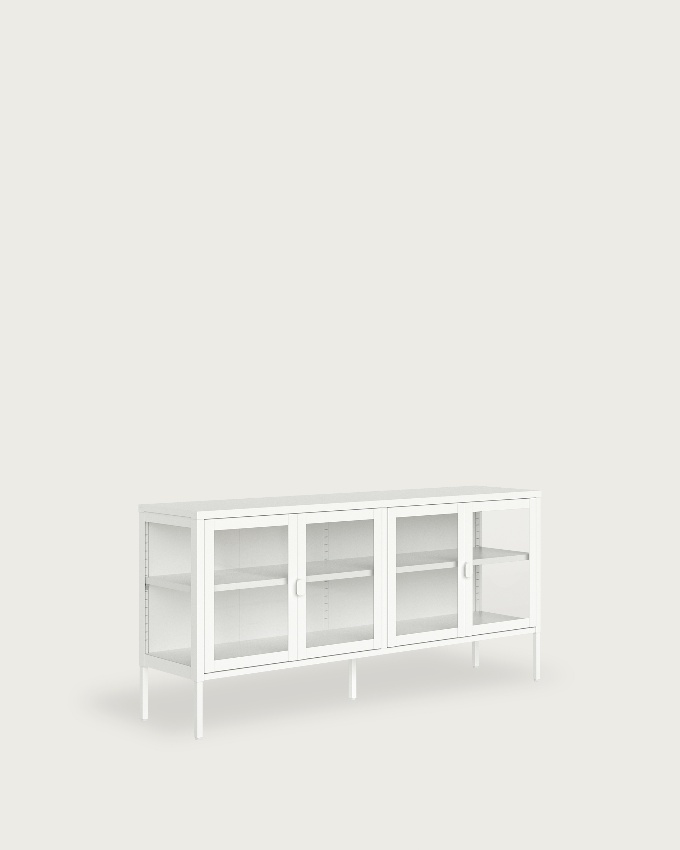
A home that experiences intensive daily use requires high-quality materials that age gracefully. Instead of delicate or artificial finishes, opt for sturdy solid-wood tables and generous storage solutions, such as a clean-lined designer sideboard, that help maintain physical and mental order throughout the home.

4. Minimalist Living and Visual Calm
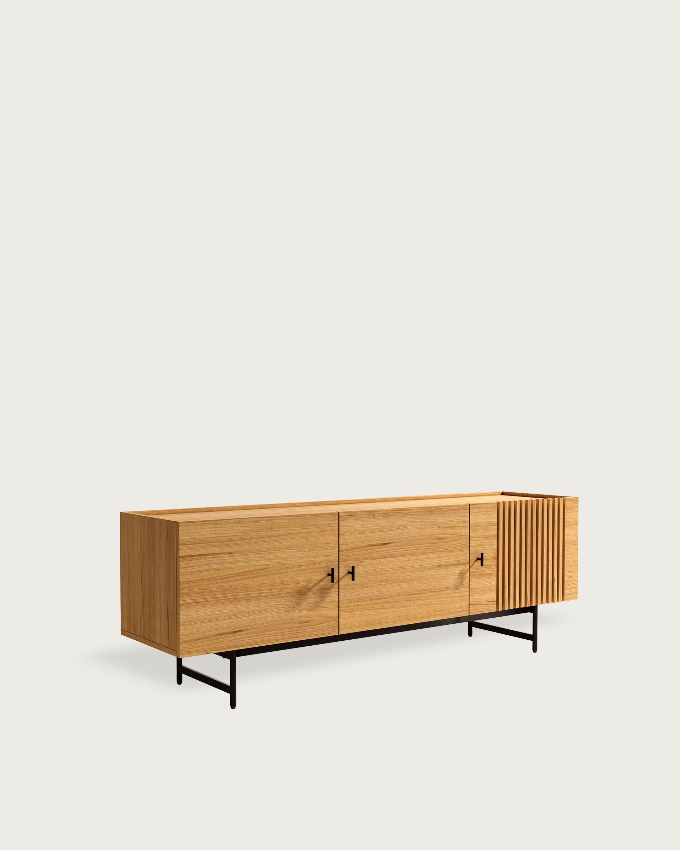
If your lifestyle is centered on simplicity and reducing visual stress, the focus shifts to intentionality: fewer pieces, but carefully selected ones. The clean structure of a geometrically designed TV unit and natural materials such as wood or stone provide the serenity you seek. Fewer elements, greater authenticity.

How to Balance Aesthetics and Functionality
The secret of high-end interior design is not choosing between beauty and practicality, but finding the point where both reinforce each other. Apply these principles when making purchasing decisions:
● Invest in the core elements of the home: the sofa, the main bed, and the dining table are the structural pieces of your daily life; never compromise on their quality.
● Choose materials that age beautifully: natural stone, steel, and richly grained wood. Unlike synthetic materials, they gain character and history over time.
● Avoid aesthetic obsolescence: stay away from short-lived trends for large furniture pieces. Timeless design is the best guarantee of sustainability and of preserving the value of your investment over the years.
Furniture as a Life Investment, Not a Consumer Product
A crucial mindset shift for decorating your home intelligently is understanding that high-end furniture is a direct investment in your quality of life, not a short-lived consumer expense. A well-designed table or an ergonomic seat does more than furnish a space, it enhances your physical and mental well-being for years.
Your home should adapt to your biological and social rhythm, never the other way around. Choosing furniture according to your lifestyle is the only way to create an environment where every piece has a clear purpose, a coherent aesthetic, and a lasting sense of permanence.