How to Choose a Design Side Table That Elevates Your Living Room
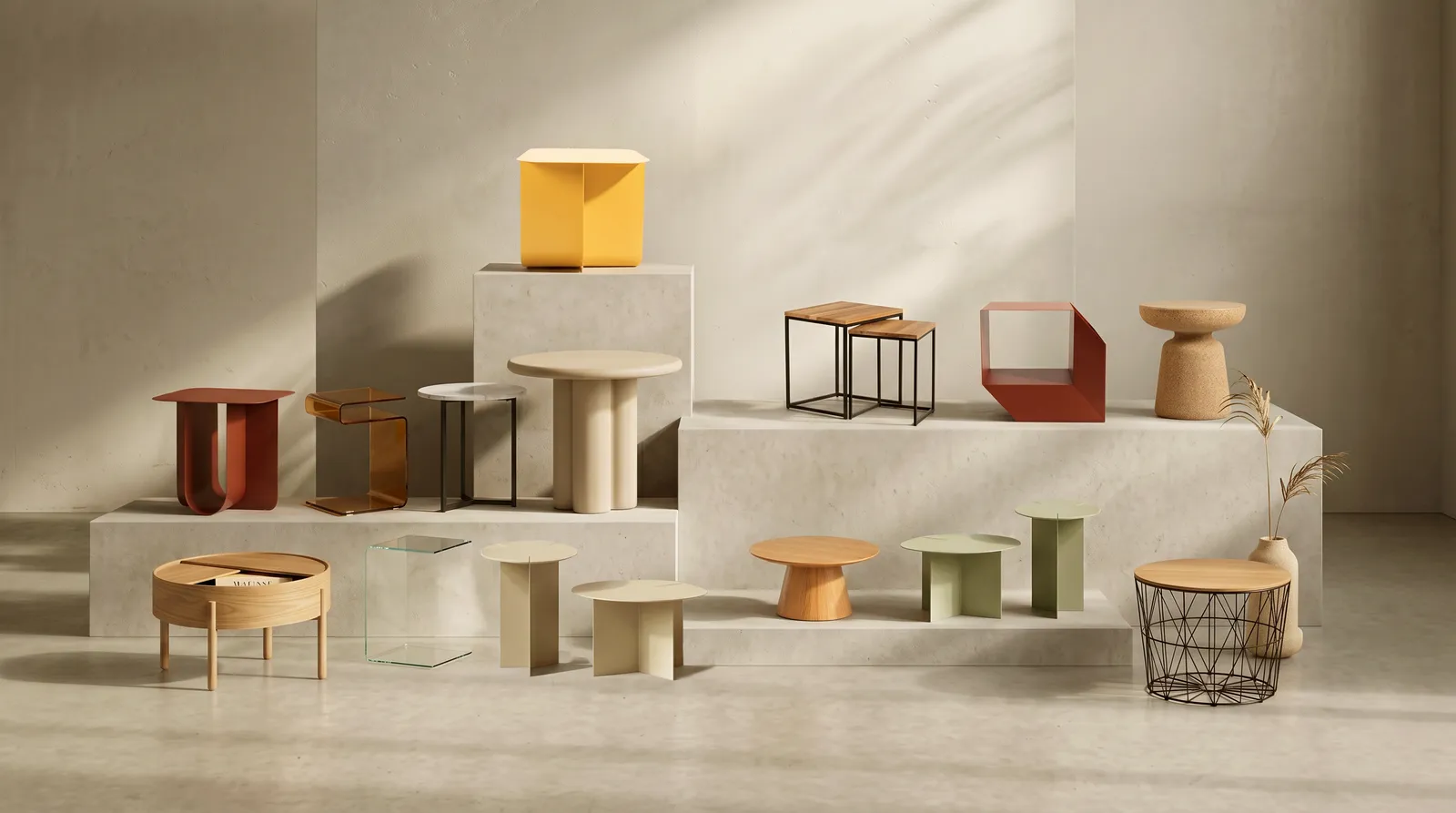
Design side tables are much more than a simple decorative accessory. In contemporary interior design, these pieces bring balance, functionality, and aesthetic coherence without taking attention away from the room’s main furniture.
Choosing the right coffee table for the living room helps enhance the visual harmony of the space, optimize the usability of relaxation areas, and subtly reinforce the home’s overall style. At Bogal, we believe that the design of these complementary elements is essential to creating a high-end environment with a lasting sense of character.

Functionality: the starting point of design
Before selecting a piece, it is essential to define its technical function within the architecture of the living room. A design side table can serve different strategic roles:
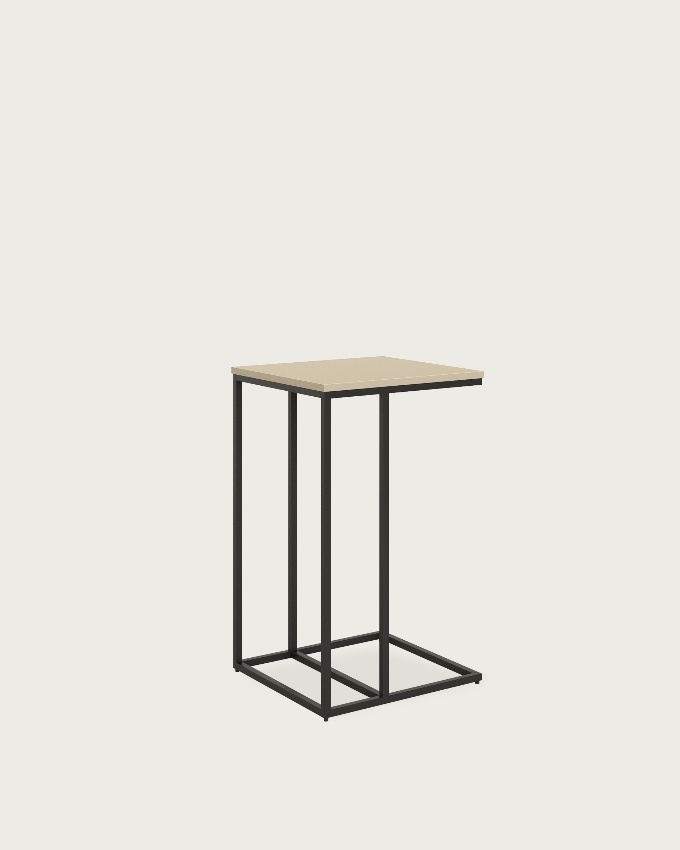
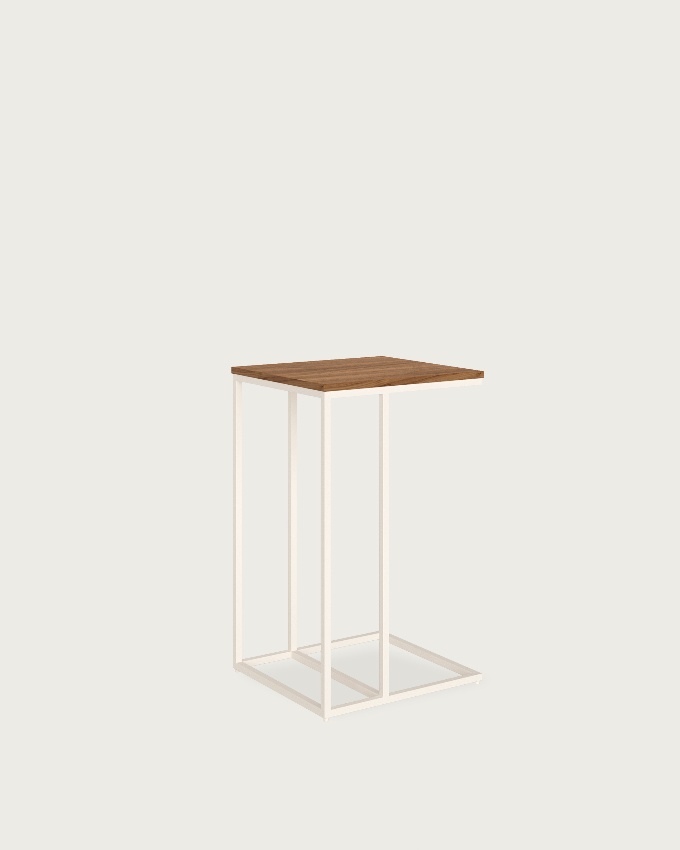
- Side support table: placed directly next to the sofa armrest to hold everyday items.
- Coffee table or low design table: acting as the main support in the seating or gathering area.
- Lighting support: a strategic spot for placing reading lamps or creating ambient lighting focal points.
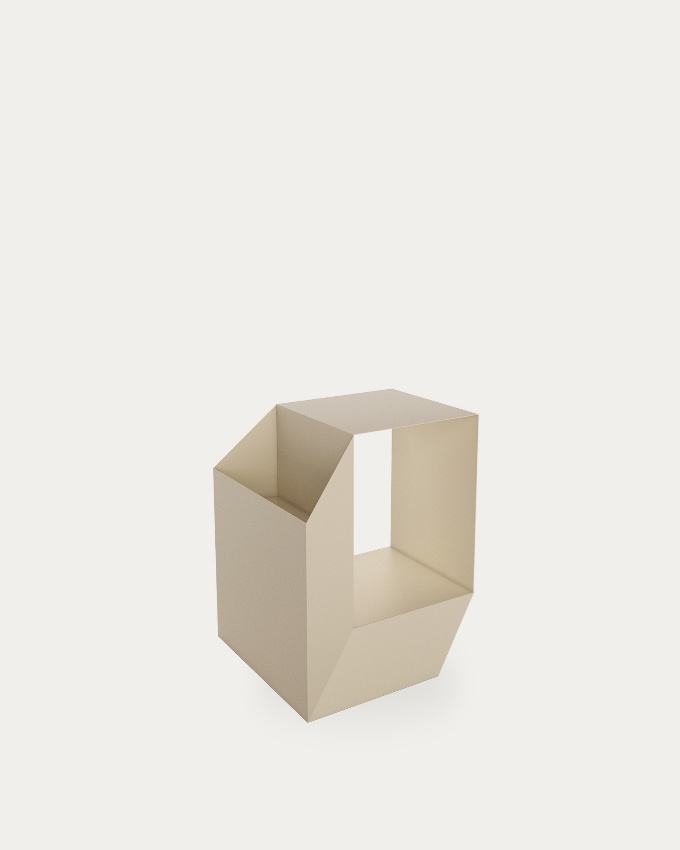
- Sculptural piece: an object with a unique volume and character that works as a statement piece in its own right.
When the technical function is clearly defined, the selection of the silhouette becomes more precise and efficient.


Proportion in modern sid tables
Proportion is the critical factor in avoiding mistakes when arranging a modern living room. A well-balanced wooden or metal-structured side table must follow three physical principles:
- Alignment with seating: it should match the height of the sofa armrest or sit slightly below it (between 2 and 5 cm) to ensure real comfort when reaching for an object.
- Preserving circulation: it must not interrupt natural walkways in the room or the opening angles of doors and drawers from other furniture.
- Visual lightness: in compact spaces, pieces with slim tops or open bases help maintain a sense of spaciousness.
Noble materials: the signature of high-end design
Materials determine the strength, touch, and sophistication of modern side tables. To achieve an elegant finish, priority should be given to the honesty of the materials:
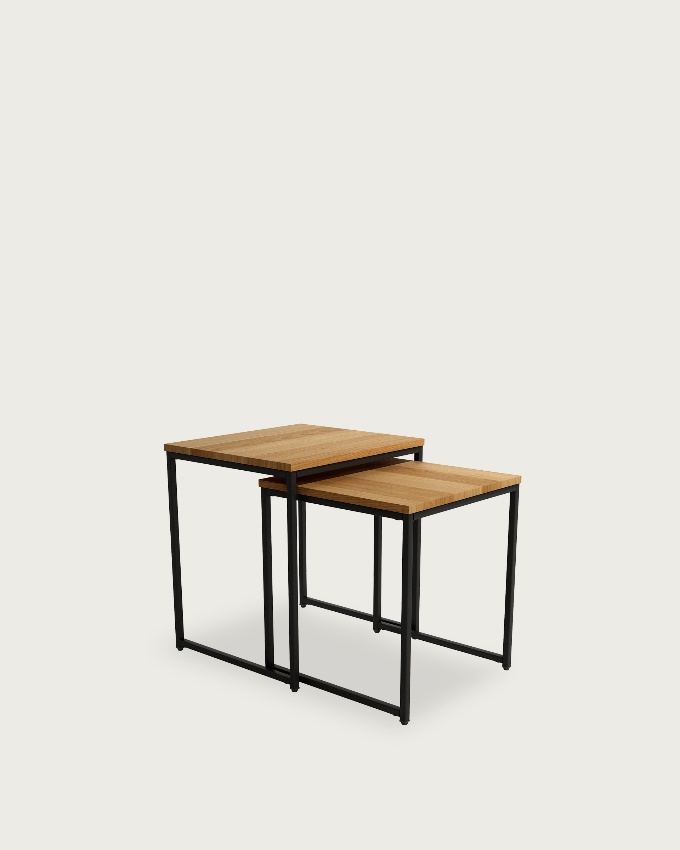
- Natural wood: it brings warmth, visible organic textures, and a noble aging process that gains character over time.
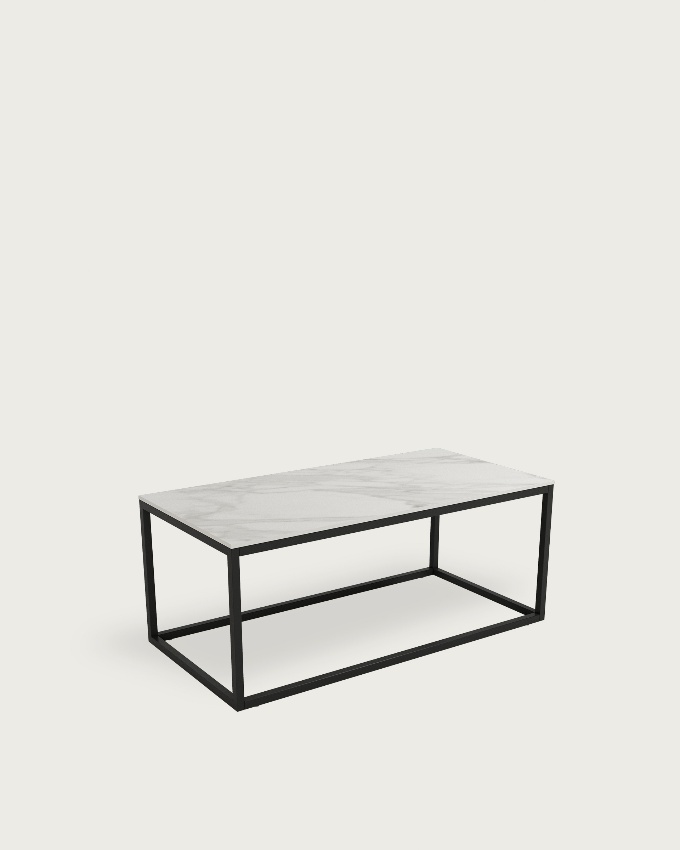
- Marble or natural stone: a marble coffee table offers a strong sculptural presence, ideal for living rooms seeking a luxurious focal point.
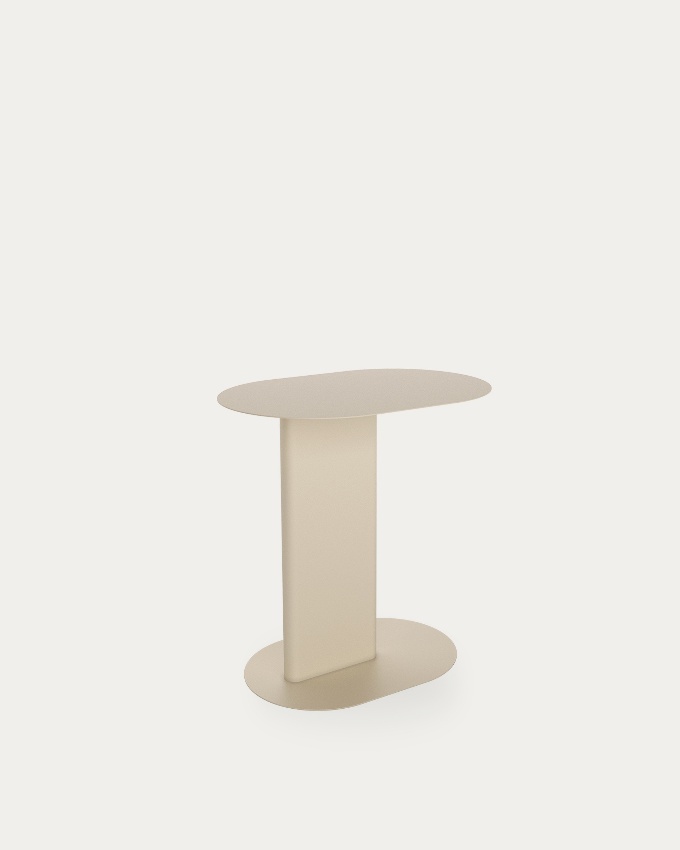
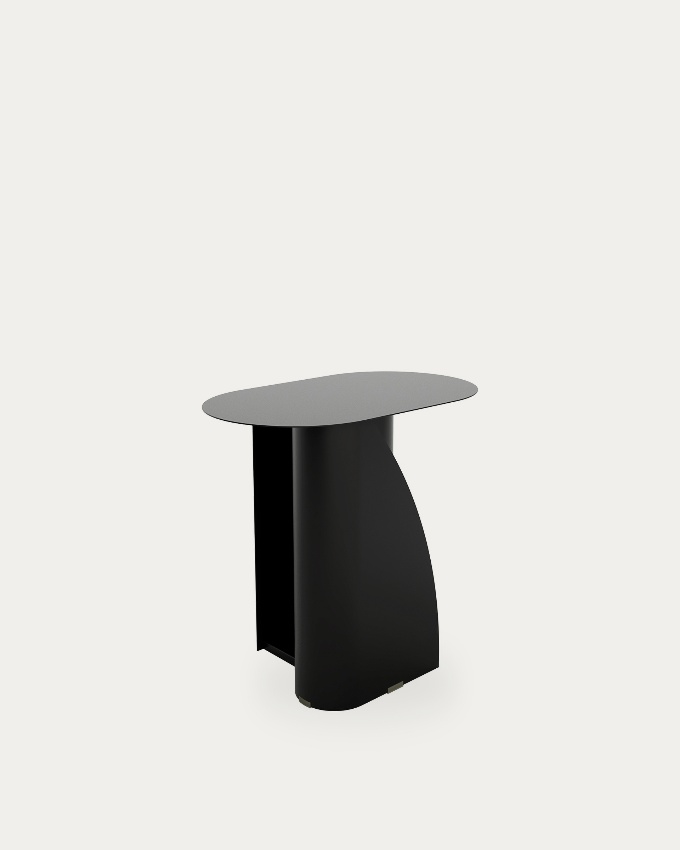
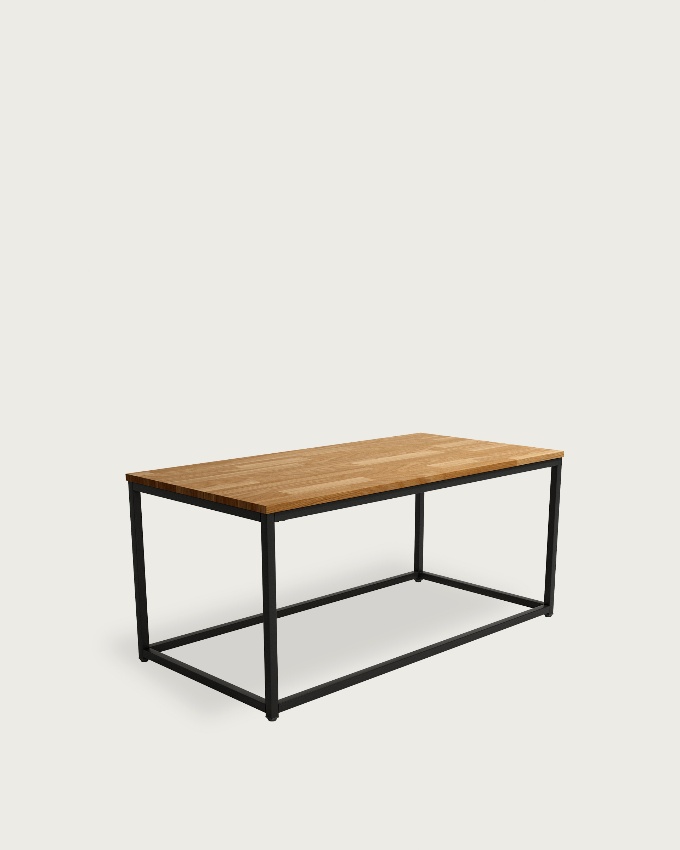
- Metal: polished finishes or a black side table with fine lines ensure technical durability and a strong minimalist aesthetic.
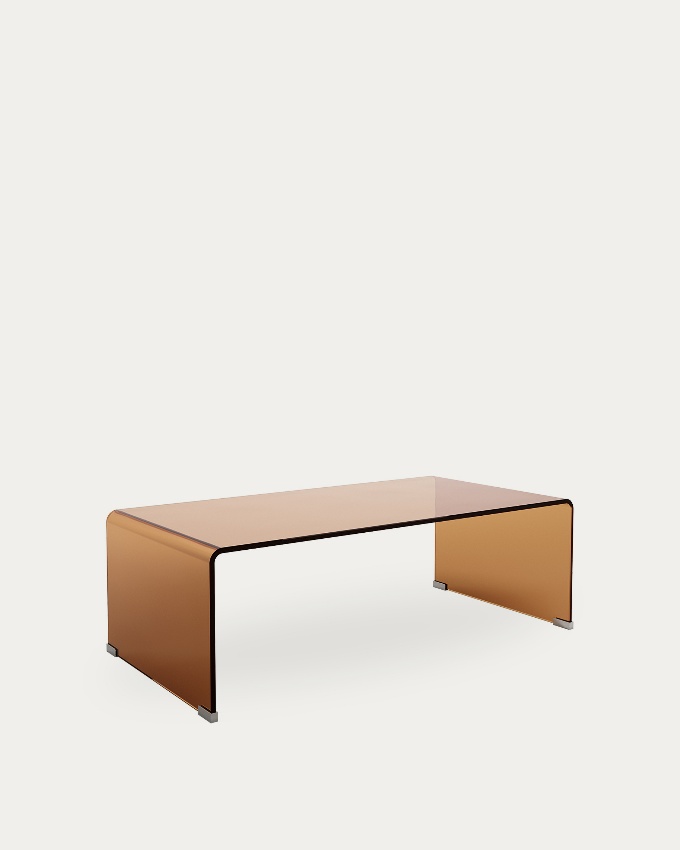
- Glass: it provides visual continuity by reflecting natural light and lightening the overall aesthetic weight of the composition.
Forms and spatial geometry
The geometric silhouette directly influences the flow and perception of the living room:
- Round or oval side tables: they soften the room’s sharp angles and bring fluidity to movement.
- Square and rectangular side tables: they convey order and stability, while visually structuring the boundaries of the living room.
- Organic and nesting designs: oversized coffee table configurations or modular sets offer versatility as the needs of the space change.
How to combine side tables in the living room
To achieve a clean integration without falling into monotony, the key is not absolute uniformity, but visual coherence:
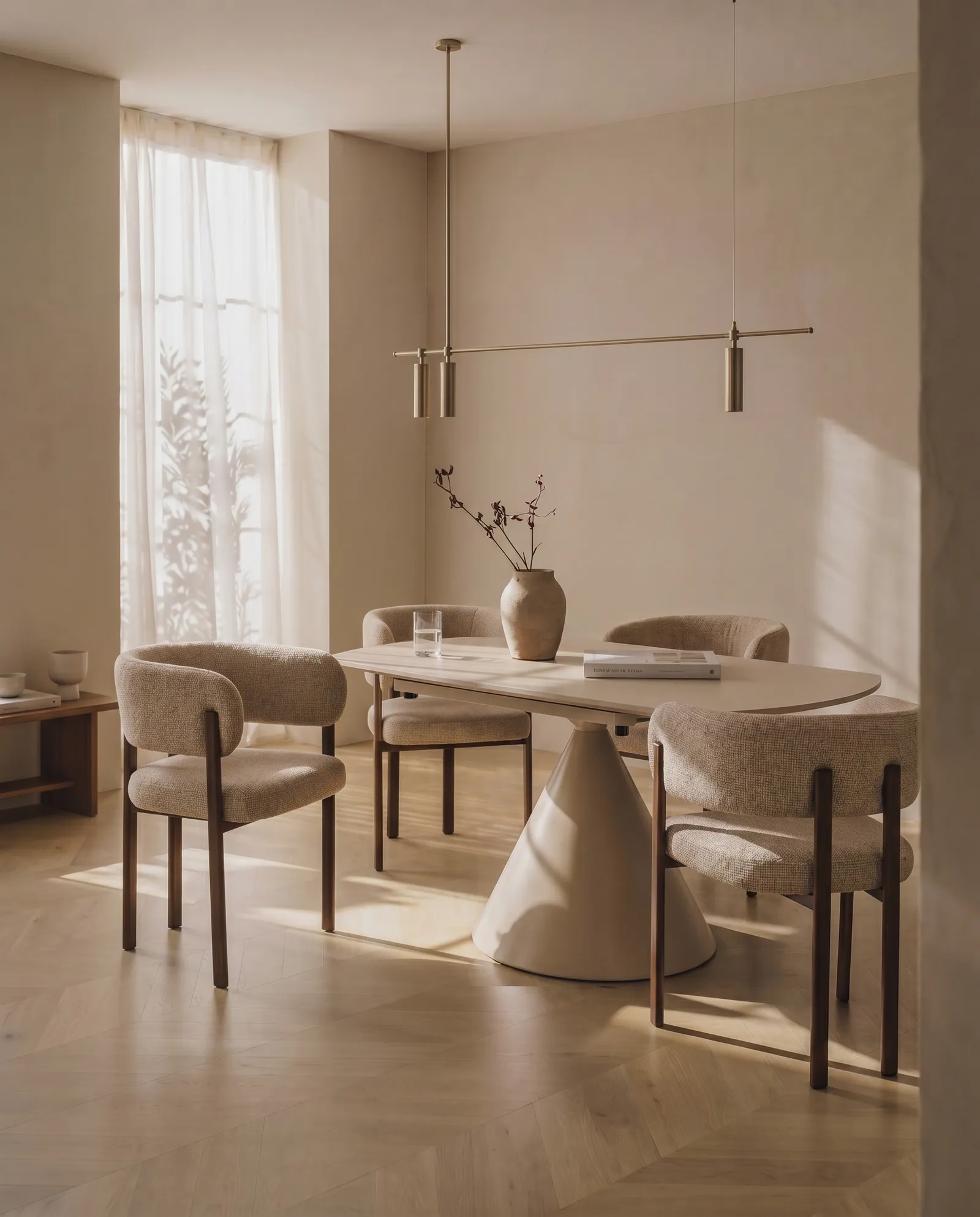
- Intentional repetition: if your dining table is made of oak, you can introduce a side table with a marble top that echoes the metal details of the chair legs.
- Calm color palette: keeping neutral, sandy tones, natural woods, or deep blacks ensures that the pieces coexist harmoniously over time.
Decoration and negative space: less is more
The surface of a design table should be treated as an edited space. Contemporary minimalism values empty space as an active element of composition. Avoid clutter; a textured art book, a single ceramic object, or simply leaving the surface completely clear is enough to appreciate the natural pattern of marble or wood.
Critical mistakes whn buying auxiliary funiture
Avoid these systemic errors in your interior design project:
- Choosing a piece purely for its visual appearance in a catalog without considering its real weight and everyday stability.
- Breaking the scale with the main sofa by using an excessively tall or bulky table.
- Mixing too many artificial finishes that reduce the authenticity of the space.
At Bogal, we firmly believe that timeless furniture does not need to compete for attention. A well-designed piece does not aim to stand out in an ostentatious way; it simply fits in and completes the system of your home.