The Psychology of Space: How Furniture Affects Your Mood
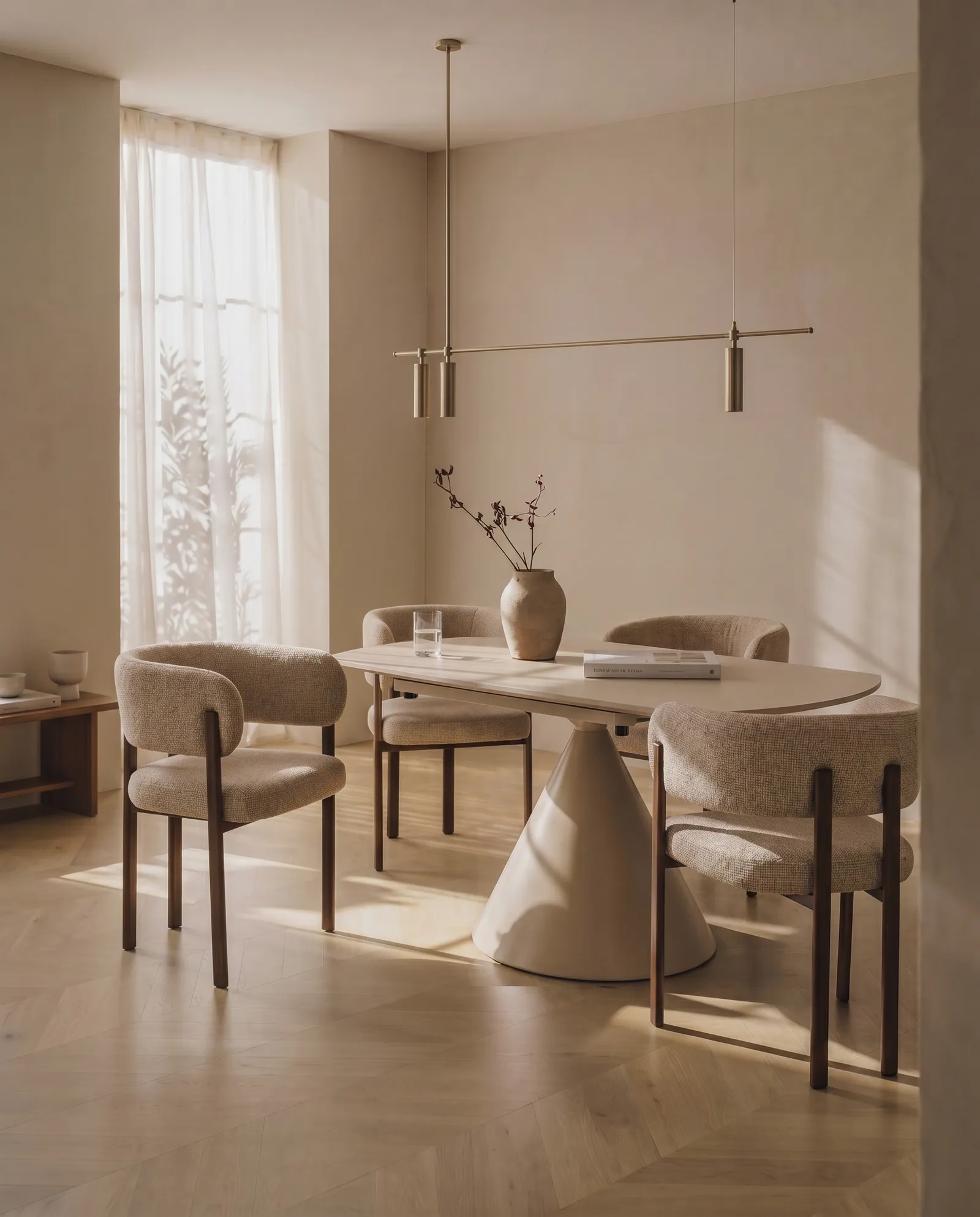
Every piece of furniture, every geometric shape, and every material you choose for your home has a direct impact on your physical and mental well-being. The so-called psychology of space studies precisely how environments influence our emotions, behaviors, and everyday stress levels - often without us even realizing it.
At Bogal, we believe that contemporary furniture should not only serve an aesthetic function, but also act as a catalyst for harmony and inner balance.
What is the psychology of space in interior design?
The psychology of space analyzes how elements of the physical environment influence people’s mental states. In the field of interior design and psychology, this translates into a direct cause-and-effect relationship:
- Furniture layout affects the feeling of mental order or chaos.
- Room colors regulate levels of energy or anxiety.
- Shapes create transitions of calm or visual rigidity.
- Materials convey either organic comfort or thermal distance.
How décor affects mood through furniture
Furniture is not neutral; every design decision sends a signal to your brain. Below are the key factors that shape emotional interior design.
1. Curved shapes vs. straight structures
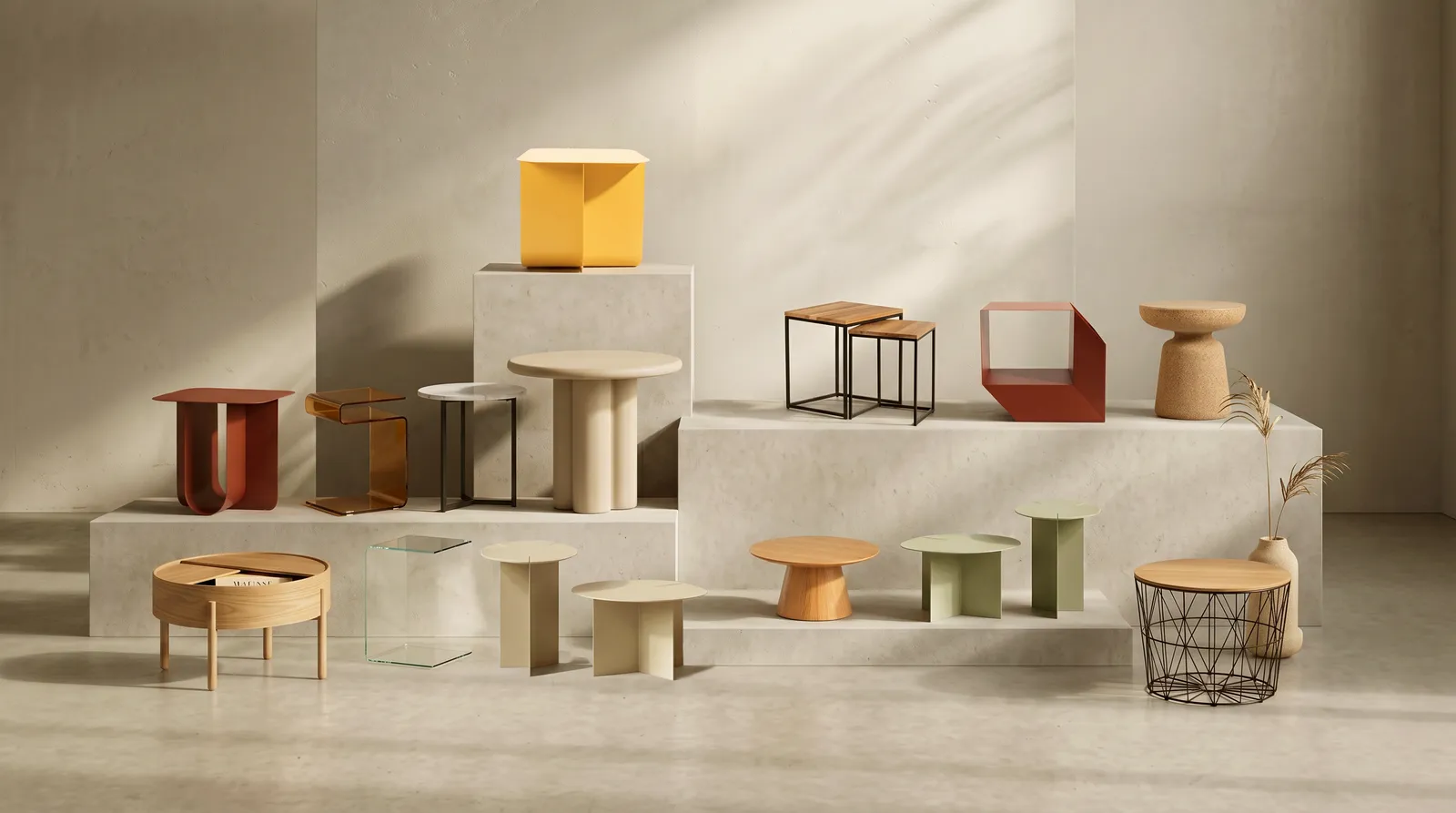
Shapes have an immediate psychological impact. Straight and angular forms create structure, order, and discipline, but in excess they can feel rigid.
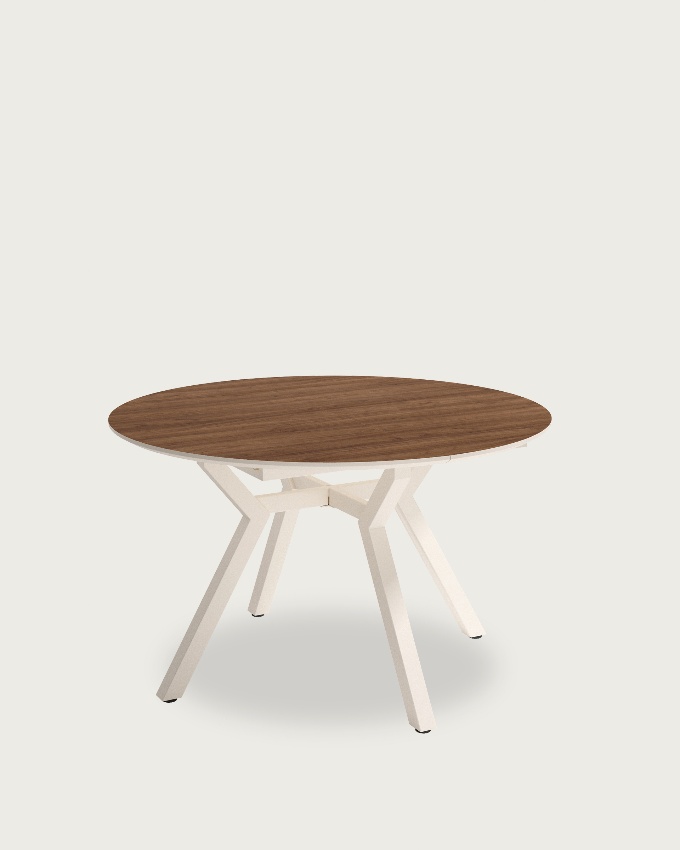
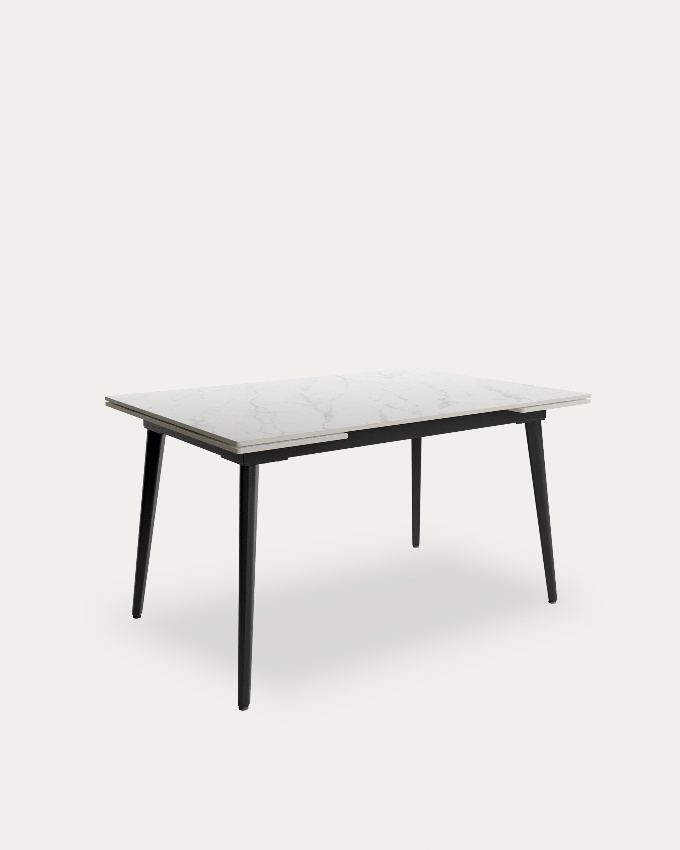
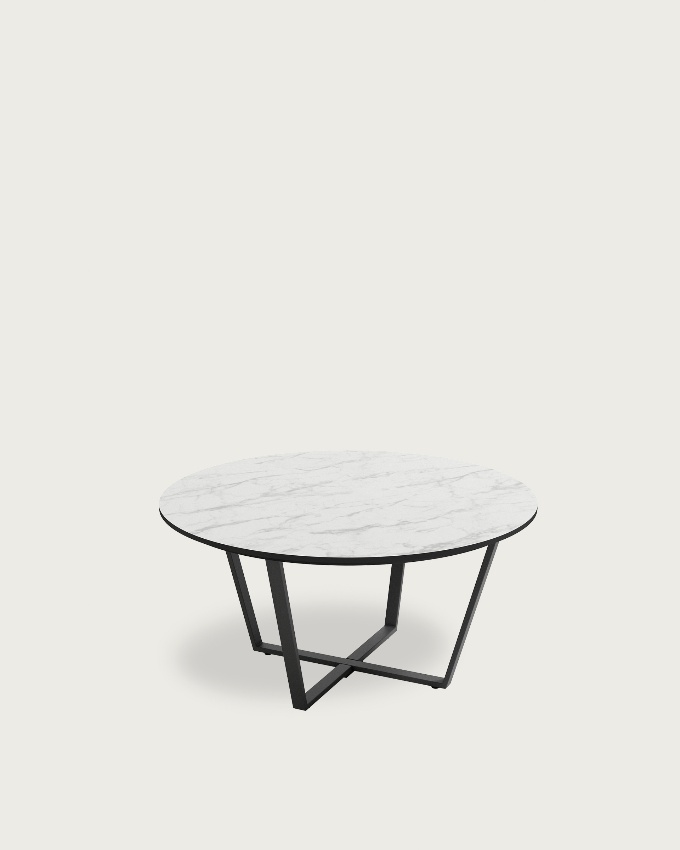
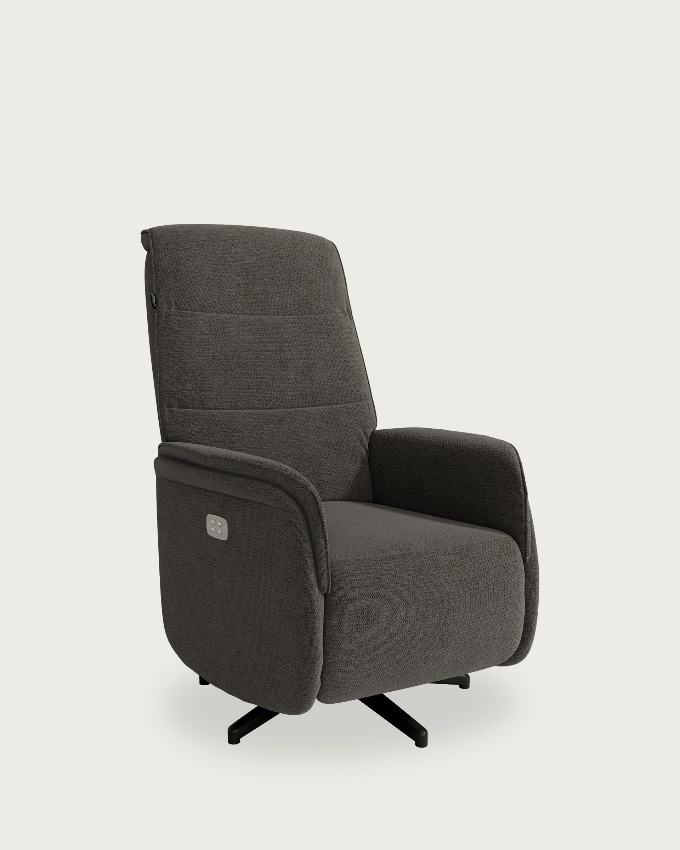
In contrast, curved and organic shapes convey fluidity, safety, and comfort. That is why relaxation-focused living rooms often include soft elements such as a modern lounge armchair with rounded lines or a round dining table, which removes corners and encourages more natural, circular interaction.

2. Furniture proportions and visual fatigue
The size of furniture determines how we perceive spatial volume. Placing oversized pieces in small rooms overwhelms sightlines and creates visual stress.
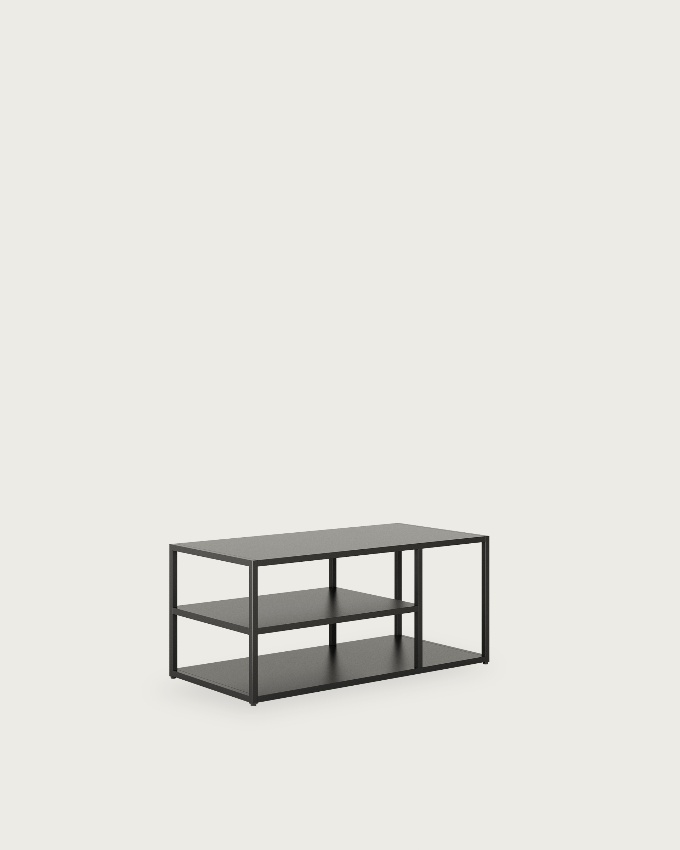
In contrast, maintaining lightness through elevated modules or a wall-mounted TV unit helps free up floor space, creating a sense of openness and mental clarity.
3. Noble materials that influence well-being
The sensory impact of materials is powerful at a subconscious level. Excess artificial finishes can overload the environment, while natural materials create permanence and calm:
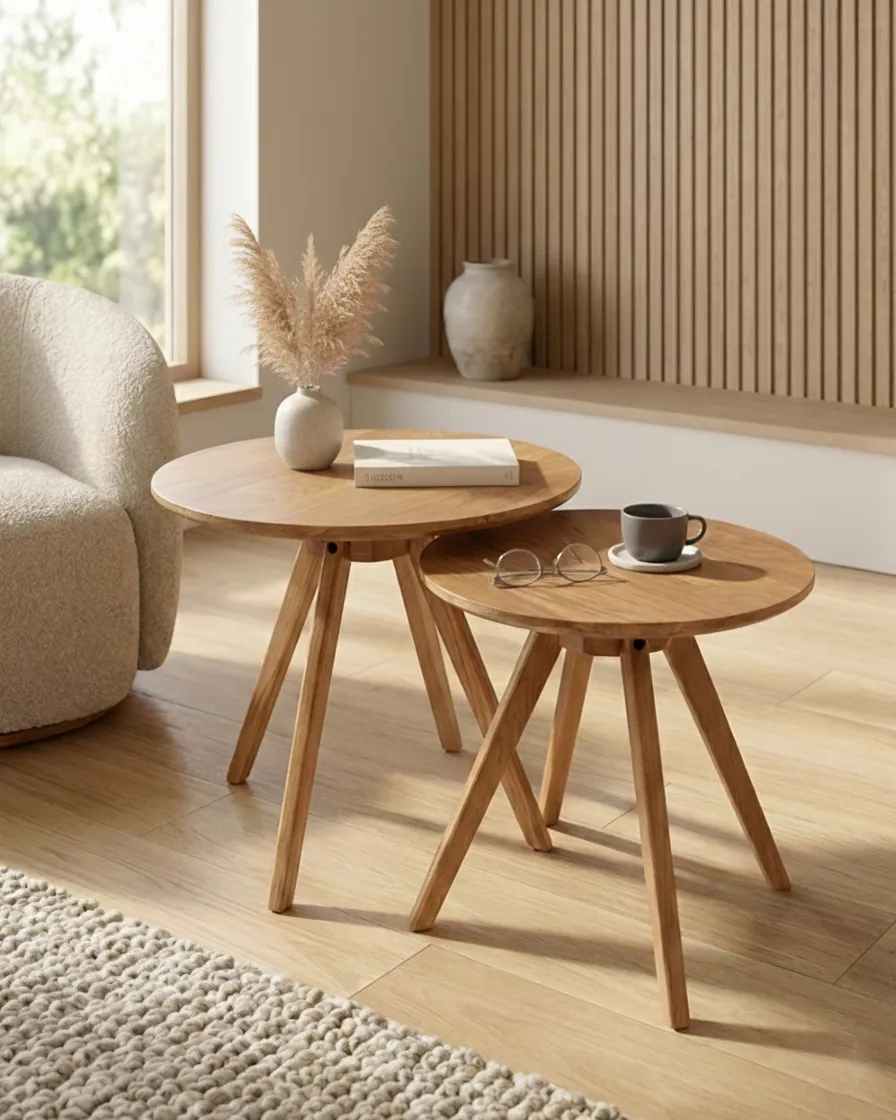
- Natural wood: Provides warmth and a direct connection to nature (biophilia).
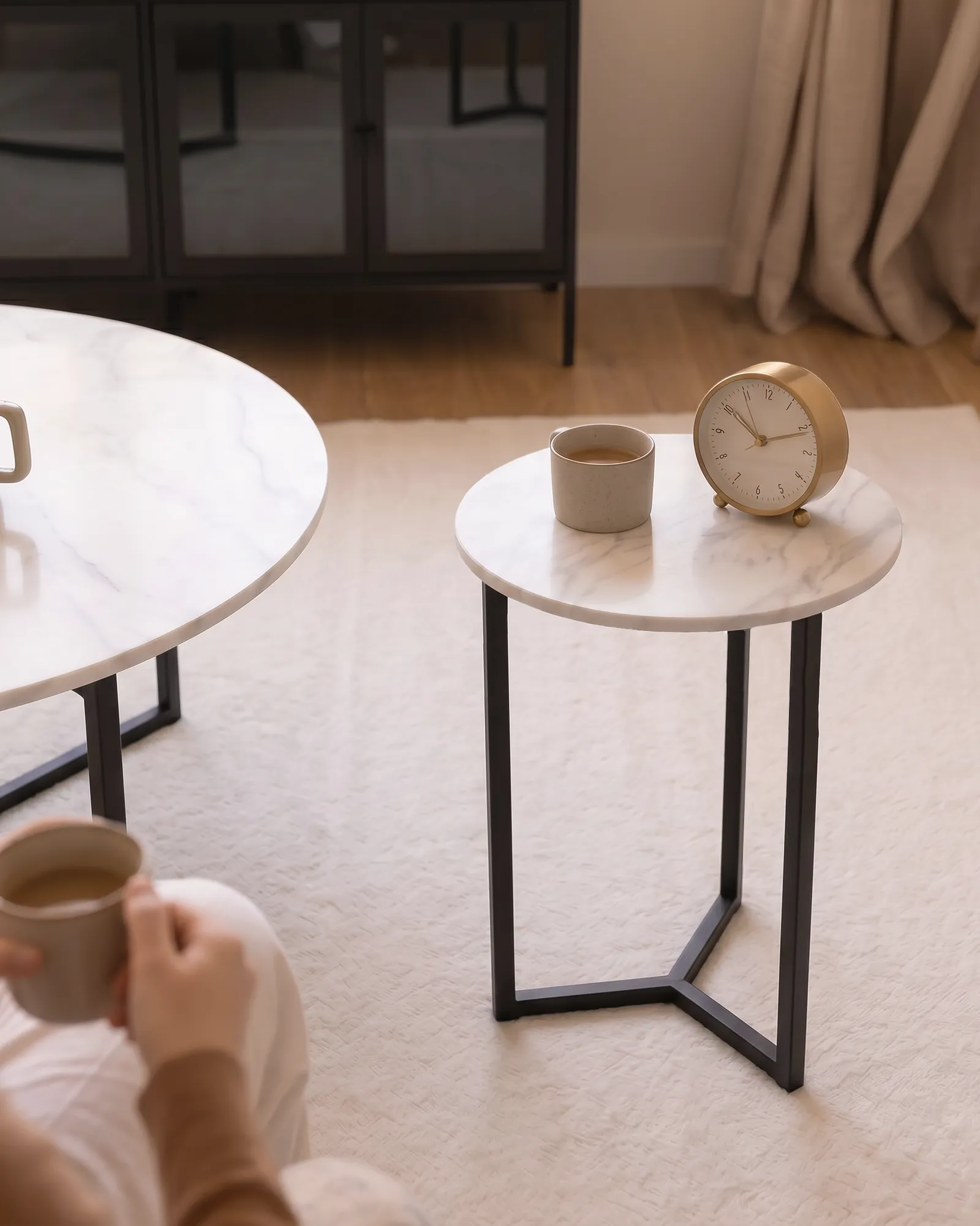
- Marble and stone: A marble coffee table conveys stability, solidity, and sculptural serenity.
- Fine metals: Add a contemporary touch of light, but should be used sparingly to avoid cooling the atmosphere.
Smart layout: one piece of furniture for each mental state
Each room should be designed according to the emotional experience it aims to create. Furniture, colors, layout, and materials must adapt to the function of each space to enhance specific sensations.
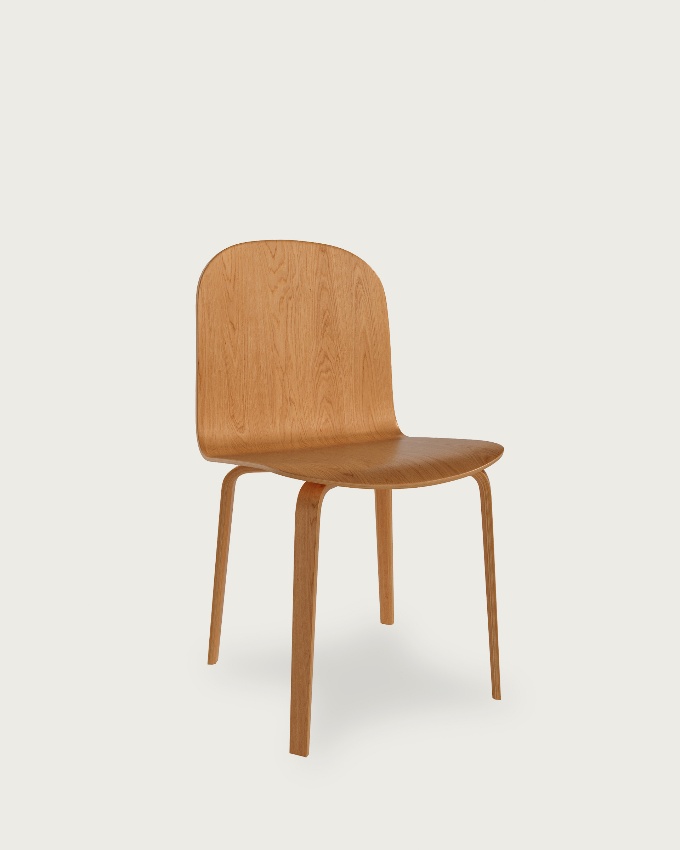
- Living room: Designed to encourage relaxation, well-being, and social connection through enveloping sofas and ergonomic dining chairs.
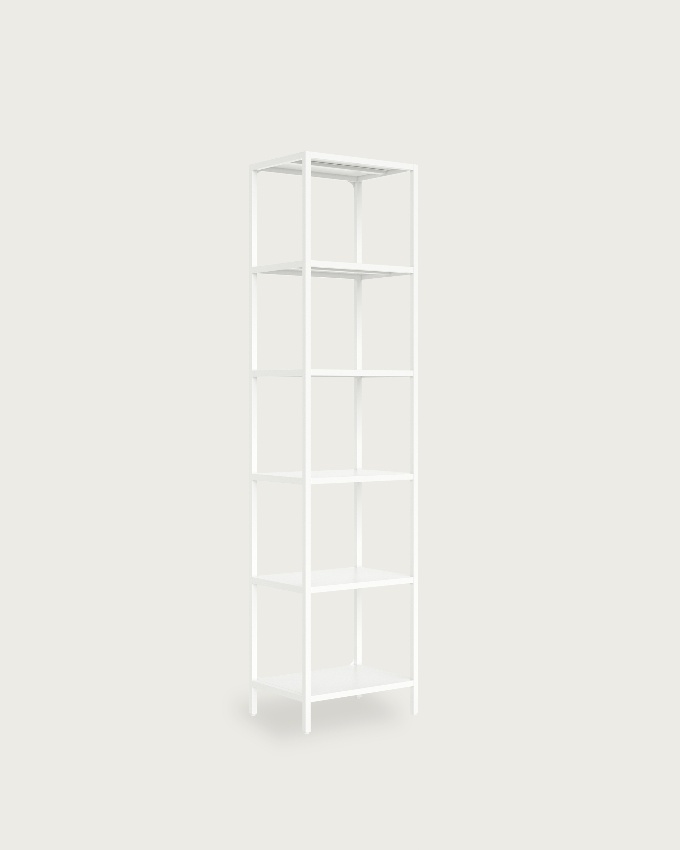
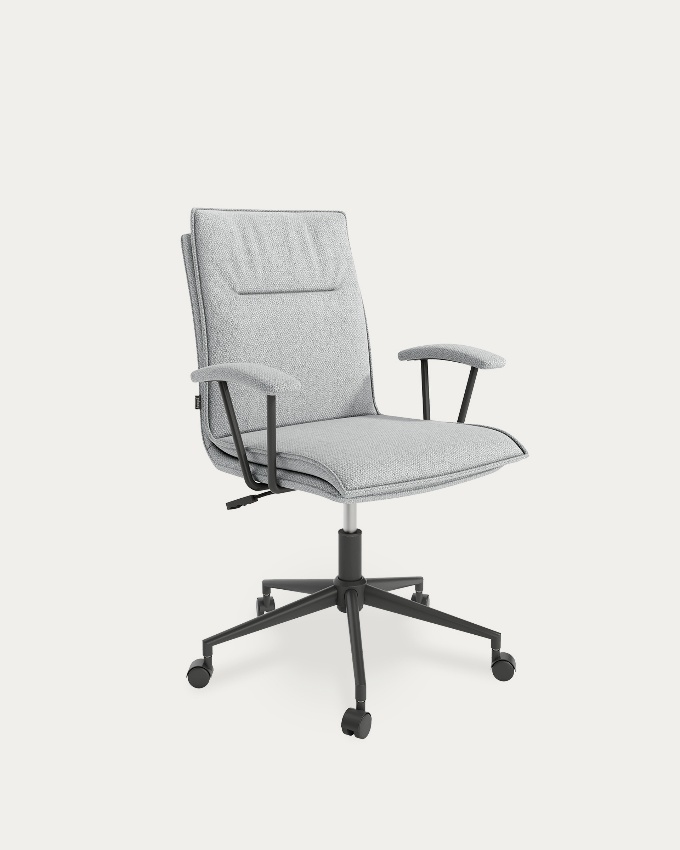
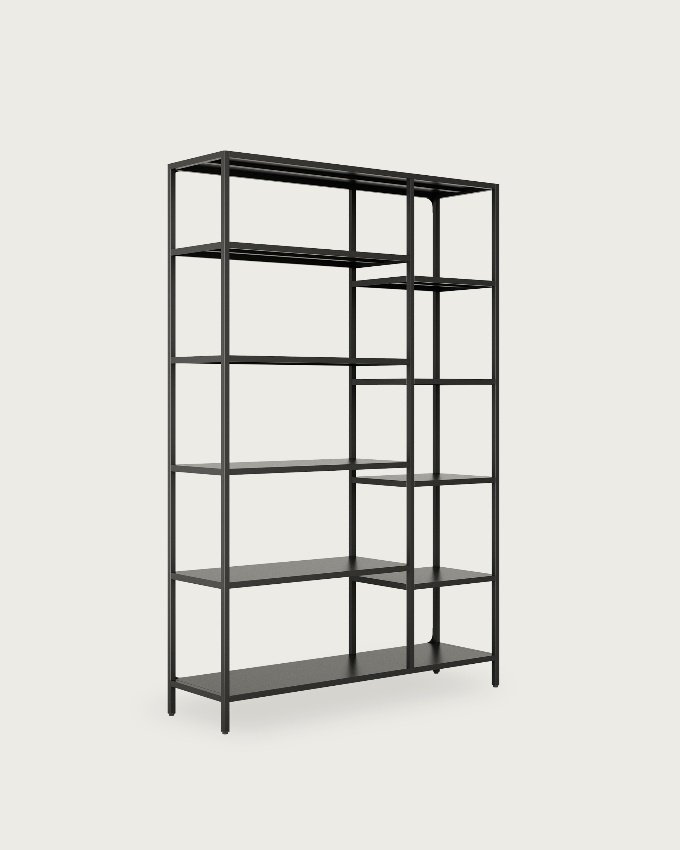
- Office or workspace: Requires an interior that enhances focus, concentration, and productivity. Key elements include adjustable ergonomic chairs and modular open shelving systems.
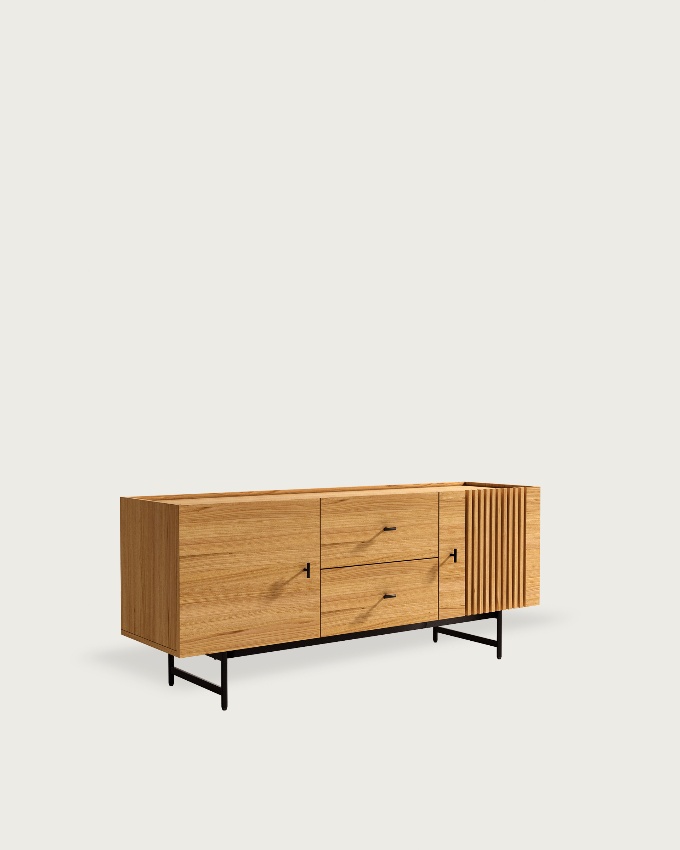
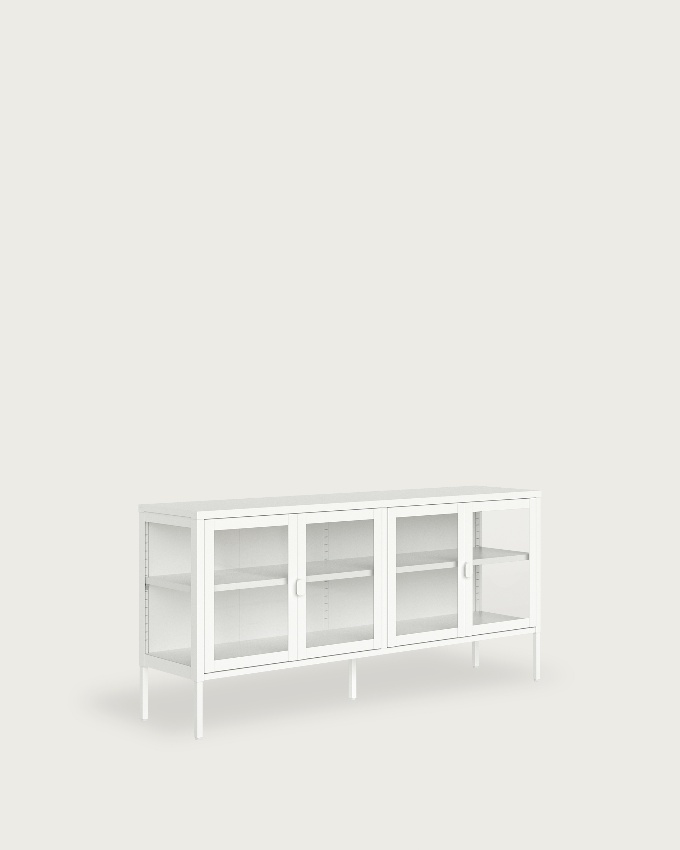
- Kitchen and storage areas: Efficient organization, with solutions such as a buffet design or a clean-lined sideboard, helps reduce stress, lower cortisol levels, and strengthen the sense of control over the environment.
Ultimately, designing each room according to its emotional function creates a more balanced, comfortable home aligned with the well-being of those who live in it.
Design mistakes that harm emotional balance
If you feel constant fatigue at home, check whether you are making any of these structural mistakes:
- Overcrowding: Accumulating unnecessary furniture or accessories without a clear function.
- Lack of visual coherence: Mixing clashing color palettes or overly aggressive finishes.
- Dead zones: Failing to clearly define areas dedicated to visual rest and relaxation.
How to apply emotional interior design at home
You don’t need a full renovation to transform your home into a tool for well-being. Start with these conscious design principles:
- Apply visual emptiness: Leave open areas so the eye can rest.
- Invest in permanence: Choose fewer but higher-quality pieces made from noble materials.
- Introduce soft transitions: Balance architectural straight lines with linen or wool textiles and organic-shaped armchairs.

Your home as a refuge and balance
The psychology of space shows that design goes far beyond passing trends. The furniture you choose influences how you rest, how you think, and how you feel when you wake up.
Designing a home through the lens of furniture and emotions is not a matter of status; it is a direct investment in your mental health. When your space is in harmony, your mind is too.